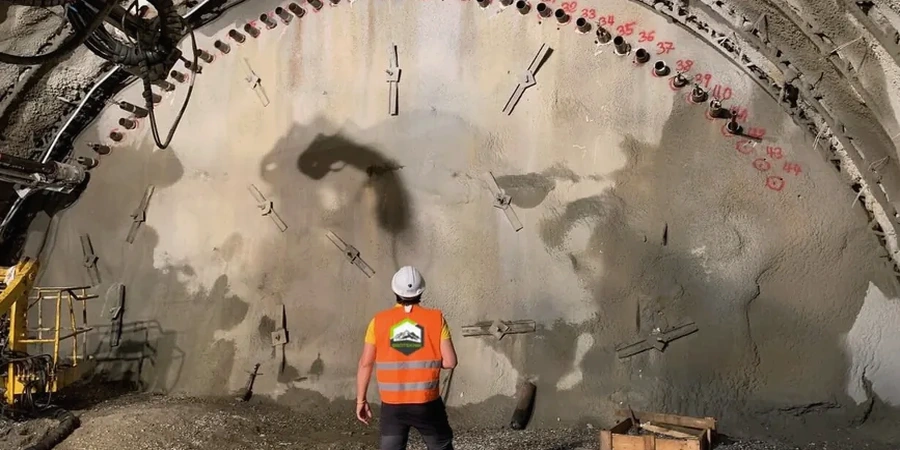
Cheyenne's development didn't stop at the Union Pacific yards. The city has pushed outward onto expansive clay terraces and weathered sandstone formations that behave unpredictably once you open a cut deeper than twelve feet. The old-timers knew the ground moved. Modern contractors need more than instinct. Geotechnical excavation monitoring here ties directly into the Cretaceous Fox Hills and Pierre Shale units that underlie much of the city. These formations swell, slake, and lose strength when exposed to air and moisture cycles. Without continuous monitoring, what looks stable on Tuesday can spall or creep by Friday. The test pits crews often uncover paleochannel deposits that don't appear on regional maps, which is why pre-excavation data feeds directly into the monitoring plan.
Monitoring isn't about collecting data. It's about setting the right alarm thresholds before you ever put a bucket in the ground.
Quick answers
How much does geotechnical excavation monitoring cost in Cheyenne?
Monitoring programs in the Cheyenne area typically range from US$730 to US$2,470, depending on instrumentation count, duration, and reporting frequency. A short-term excavation with two inclinometers and a few survey points will fall at the lower end. A multi-month deep cut near historic structures with automated total stations, piezometers, and daily engineering review runs toward the upper end. We provide a fixed-scope proposal after reviewing the shoring design and site geology.
What triggers an alert during monitoring?
Alert thresholds are project-specific and set before excavation begins. Common triggers include lateral deformation exceeding 0.5 inches at the top of the shoring wall, vibration peaks above 0.5 in/sec at the nearest structure, or groundwater levels rising more than 2 feet above the predicted drawdown curve. Alerts go to the superintendent and the geotechnical engineer simultaneously, with a brief interpretation of whether the movement is accelerating or stabilizing.
Do you monitor vibration effects on adjacent historic buildings?
Yes. Cheyenne has several registered historic structures where the masonry is already stressed. We install triaxial geophones on the foundation or sidewalk level and log continuously during compaction, demolition, and rock hammering. The data is compared against the USBM RI 8507 criteria for cosmetic cracking, and we adjust the construction means and methods if readings approach 70% of the threshold.